
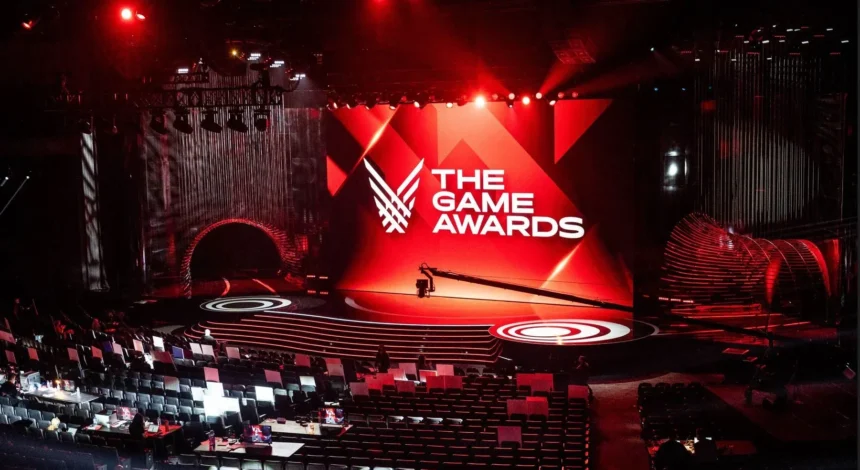
The Game Awards returns to the Peacock Theater in Los Angeles on Thursday 10 December, bringing together the industry’s biggest releases, new trailers and live announcements. The show will stream globally, with its opening act due to begin at 7.30pm Eastern Time.
It has become more than an awards ceremony. For many players, it is the final major showcase of the year and a chance to see what publishers have planned for the months ahead.
The event also reflects how broad modern gaming has become. Its audience includes console players, PC communities, mobile users and people drawn to different forms of digital entertainment, including a new online casino, each with its own games, platforms and habits.
Nominees are due in mid-November
The Game Awards has confirmed that its 2026 nominees will be revealed in mid-November. No precise announcement date has been given, but the reveal will set the discussion around the year’s strongest releases.
Games must be commercially available by 20 November to qualify for most categories. That deadline means a late release can still be considered if the judging panel has been given enough time to assess it before voting closes.
The eligibility rule often creates debate. Big releases that arrive in the final weeks of the year can struggle to build the same level of public conversation as games that have been available for months. At the same time, it prevents the awards from ignoring titles simply because they launched close to the end of the calendar.
The Players’ Voice category has a later eligibility deadline of 30 November. That award is particularly important because it is shaped entirely by public voting rather than the industry jury.
How the winners are decided
The Game Awards uses a blended voting system. A jury of more than 100 media outlets and influencers accounts for 90% of the final result, while public voting makes up the remaining 10%.
Each voting outlet submits an unranked ballot listing its five preferred games in a category. The titles that appear on the most ballots become the nominees. If there is a tie, an additional nominee can be included.
The system is designed to give expert critics the largest influence while still allowing players to support their favourites. It also avoids a result being decided solely by the size of one game’s online community.
Public voting has become an important part of the build-up. Fans often organise campaigns across social platforms, especially for categories such as Best Ongoing Game, Best Community Support and Players’ Voice.
That enthusiasm can bring more attention to games that have developed loyal audiences after launch. It can also create disagreements when a popular title misses out on a nomination or loses to a smaller game with stronger critical support.
Awards matter, but announcements drive the biggest reaction
The trophies remain the centre of the event, yet the announcement trailers are often the moments people remember most clearly. Publishers use The Game Awards to reveal release dates, confirm long-rumoured projects and show extended gameplay footage.
The format has changed how game marketing works. A reveal during the show reaches a global audience immediately, then continues to circulate through video platforms, social media and gaming forums in the days that follow.
For independent studios, a well-placed trailer can provide attention that would be difficult to generate through a normal press release. For major publishers, the event is a chance to frame an upcoming game as one of the next year’s biggest releases.
Not every announcement needs to be a brand-new project. A substantial update, downloadable expansion or console release can gain value from appearing on such a large stage.
The challenge for viewers is separating confirmed information from early teasers. A short cinematic trailer may establish a setting and tone without showing how a game actually plays. Release windows can also change after an announcement, particularly for ambitious projects still deep in development.
The show has become a major live event
The 2025 edition generated 171 million livestreams, underlining the scale the event has reached. It is now one of the few occasions when the wider games industry has a shared global audience watching at the same time.
That reach benefits developers, publishers and players. Studios can speak directly to a large audience, while viewers can follow several hours of news without needing to track separate company presentations.
The Peacock Theater provides a physical home for the show, but the event is designed for online viewing. It will be available free across major streaming services, making it accessible to people watching at home, in gaming communities or through watch parties.
The timing may be difficult for viewers in the UK because of the time difference. The opening act begins at 12.30am on Friday 11 December in the UK, with the main ceremony expected to continue into the early hours.
That has not stopped the event becoming a popular late-night fixture for British players. Social media reactions often begin before the first award is handed out and continue long after the final trailer.
The awards can shape a game’s second life
Winning Game of the Year can have a clear commercial effect, especially for a smaller release. The title gains a marketing line that can be used on store pages, physical packaging and future promotional material.
A nomination can also make players take notice of games they had missed earlier in the year. This matters most for independent releases, which may have received good reviews but struggled to compete with the advertising budgets of major franchises.
Categories such as Best Independent Game, Best Debut Indie Game and Best Mobile Game give smaller teams a chance to reach a wider audience. Accessibility, audio design and game direction awards can also highlight work that might not receive as much attention in ordinary sales charts.
The show is not a complete measure of a game’s quality. Many excellent releases never receive nominations, and different players value different things. Some care most about stories, others about competitive play, creativity, social features or replay value.
Still, The Game Awards has become a useful snapshot of the year in gaming. Its nominations show which titles have made the strongest impression across a crowded release schedule.
December will bring answers and fresh questions
The 2026 ceremony will celebrate the games that defined the past 12 months, but it will also set the tone for 2027. New trailers, release dates and surprise announcements will shape the conversation long after the winners are announced.
The most successful moments will be the ones that give players something clear to look forward to. A strong gameplay reveal can be more memorable than a vague teaser, while a confirmed release date can end months of uncertainty.
With the nominations due soon, the build-up has already begun. By 10 December, the year’s biggest gaming debates will have a stage, an audience and, inevitably, a few surprises.