

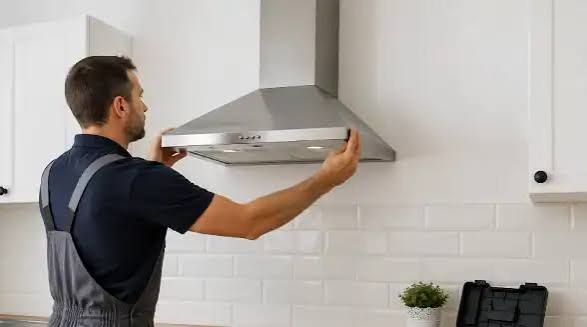
A cooker hood is an important addition to a functional kitchen. It helps capture grease, cooking fumes and unwanted odours, making the room more comfortable during meal preparation. However, choosing the right appliance is only part of the process. Correct installation and regular maintenance are equally important.
Homeowners who understand the basics can make more informed decisions when upgrading an existing kitchen or fitting a hood in a newly renovated space.
Assess the Installation Area First
Before purchasing a cooker hood, consider where it will be installed and how it will connect to the ventilation system.
The available wall or cupboard space, ceiling height and position of the hob can all influence the choice of appliance. If the kitchen has an island hob, for example, a ceiling-mounted island hood may be appropriate.
In a smaller kitchen, an integrated or under-cabinet model might provide effective extraction without taking up too much space.
Measurements should be checked carefully before ordering. It is also important to follow the manufacturer’s specified clearance between the cooking surface and the hood.
Planning these details in advance helps reduce the risk of fitting difficulties.
Understand the Available Installation Options
Cooker hoods are available in several designs, each offering different advantages.
Wall-mounted models are fitted above hobs positioned against a wall. Island hoods are suspended above centrally located cooking areas and require suitable ceiling support.
Integrated hoods are concealed within kitchen cabinetry, while under-cabinet models fit beneath an existing cupboard.
Downdraft systems offer another option in some kitchen designs, drawing cooking fumes downwards towards an extraction unit. Their suitability depends on the appliance, available space and installation requirements.
The best choice is one that works with the kitchen layout while providing the extraction performance required for everyday cooking.
Check the Ventilation Arrangement
One of the most important installation decisions is whether the hood will use external ducting or recirculate filtered air.
A ducted system carries extracted air outside through an appropriate outlet. Its performance depends on suitable duct sizing, a practical route and properly installed connections.
Excessively long or restrictive duct runs can reduce airflow. For this reason, the route should be planned before installation begins.
Recirculating models are often useful where external ducting is difficult or impractical. They rely on suitable filters to capture grease and help reduce cooking odours.
Homeowners should understand the limitations of each arrangement and choose a system that meets their needs.
Why Professional Fitting Can Help
Installing a cooker hood may involve mounting equipment securely, fitting ductwork and checking electrical connections. The complexity varies according to the appliance and the existing kitchen setup.
A professional installer can assess these requirements and identify potential issues before work starts. This is particularly useful when a new outlet is needed or the installation involves changes to existing electrical arrangements.
Using a qualified professional where required can also help ensure that the work follows relevant safety requirements and the manufacturer’s instructions.
If you are replacing an older appliance or fitting a new system, a kitchen hood installer london can help assess your kitchen and explain the available installation options.
Keep Grease Filters Clean
Grease filters collect particles released during cooking. Over time, these particles build up and may restrict airflow if the filters are not maintained.
The cleaning frequency depends on how often the kitchen is used and the type of food prepared. Households that fry food regularly may need to clean filters more frequently.
Follow the manufacturer’s instructions to determine whether the filters can be washed by hand or in a dishwasher. Allow washable filters to dry fully before putting them back into position.
If a filter is damaged or cannot be cleaned effectively, replacement may be necessary.
Replace Carbon Filters When Needed
Recirculating cooker hoods often use carbon filters to help reduce cooking odours. Unlike many washable grease filters, these filters generally need to be replaced at intervals recommended by the manufacturer.
A saturated carbon filter becomes less effective at controlling smells. The replacement schedule varies according to the model and how frequently it is used.
Check the appliance manual to identify the correct filter type and replacement procedure. Using compatible parts helps maintain the intended performance of the system.
Recognise Signs of Poor Performance
Several issues may indicate that a cooker hood needs attention. These include reduced extraction, unusual noise, persistent cooking odours or visible grease accumulation.
Start by checking whether the filters need cleaning or replacing. Also make sure that the hood’s air inlet is not obstructed.
If the problem continues, the fan, ductwork or another component may require inspection. Electrical faults should be assessed by an appropriately qualified professional rather than investigated through unsafe DIY work.
Addressing performance issues promptly can help prevent further inconvenience.
Make Maintenance Part of Your Routine
Regular care does not need to be complicated. Wipe the exterior with a suitable cleaner, clean the grease filters as recommended and check the appliance for visible damage.
Avoid abrasive products that could damage stainless steel, glass or decorative finishes. Always isolate the appliance from its power supply before carrying out maintenance that requires access to internal parts, following the manufacturer’s instructions.
Keeping the user manual available makes it easier to check cleaning procedures and identify compatible replacement filters.
Enjoy Reliable Everyday Performance
A well-chosen cooker hood can make cooking more comfortable and help manage grease, moisture and odours. Its long-term performance depends on appropriate installation, suitable ventilation and consistent maintenance.
Taking time to plan the installation and care for the appliance can help homeowners avoid common problems.
For advice on replacing an existing hood or planning a new installation, contact a kitchen hood installer london to discuss a solution suited to your kitchen.