
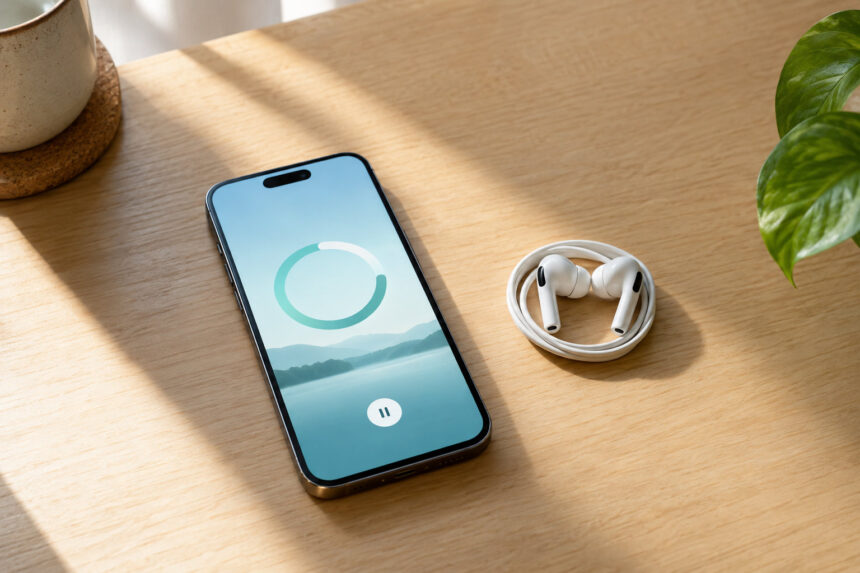
Wellness is no longer limited to traditional gyms, vitamins, or face-to-face classes. It has grown to include digital wellness services that address mental, emotional, and lifestyle needs. From meditation apps to online platforms offering tailored guidance, technology has redefined self-care and support. Even practices that once felt more private, such as Psychic Readings, are easily accessible on digital platforms and reflect how digital wellness has expanded into many areas of everyday life.
What digital wellness services include
Digital wellness services now cover a wide range of support tools. Teletherapy connects you with professional counsellors or therapists via video or chat. Mindfulness and meditation apps offer guided sessions for de-stressing, better sleep, and focus. Habit trackers, wearable technology, and sleep monitors provide real-time feedback for those managing their routines or health goals.
Other popular offerings include stress management tools, remote coaching platforms, and services that deliver one-to-one wellbeing support entirely online. The accessibility means you can find support whether you are managing work stress, life changes, or simply want to introduce new healthy habits at home.
Why digital adoption is growing
More people are turning to digital wellness services thanks to their convenience and privacy. Flexible scheduling lets you fit sessions around work or family obligations. Digital platforms can allow for anonymity, which may help some people feel more comfortable seeking support.
As technology makes video calling easier and more secure, remote help has become more familiar. The normalisation of online interaction during and after the global pandemic has also contributed to this shift, making it more common to look for wellness resources on your phone or laptop.
The technology behind digital wellness
Advancements in video, mobile-first design, and scheduling tools have made online services reliable and easy to use. Stronger privacy features, such as encrypted accounts and transparent data handling, can play a role in building user confidence. Many platforms emphasise secure sign-ups, clear user dashboards, and reminders that integrate with other digital routines.
How digital wellness fits into daily routines
Many people now use “micro-sessions”, short activities or check-ins throughout the day, instead of more time-intensive appointments. Subscription services keep resources at your fingertips, supporting hybrid routines that combine online and offline wellness habits. Some users find digital wellness tools especially helpful during big life transitions, such as moving, recovering from illness, or adjusting to new careers or family roles.
Benefits, risks and how to choose reliable platforms
Digital wellness services can make care and support more accessible and offer personalisation at scale. However, limitations exist. Some platforms do not clearly define the expertise level of guides or practitioners. Risks can include misinformation, overreliance on digital tools, blurred boundaries, and varying quality from one service to another. When browsing platforms, look for clear disclaimers about scope, visible credentials, solid privacy policies, and realistic claims about outcomes.
The next phase for digital wellness
The landscape is likely to evolve into more integrated wellness ecosystems that combine mental, emotional, and physical support in one place. There is growing demand for higher ethical standards, enhanced transparency, and technology that supports, rather than replaces, realistic self-care habits.
Read also Cracked iPhone Screen: Why the Visible Damage May Not Tell the Whole Story England can reach the Nations League quarter-finals before facing Spain