

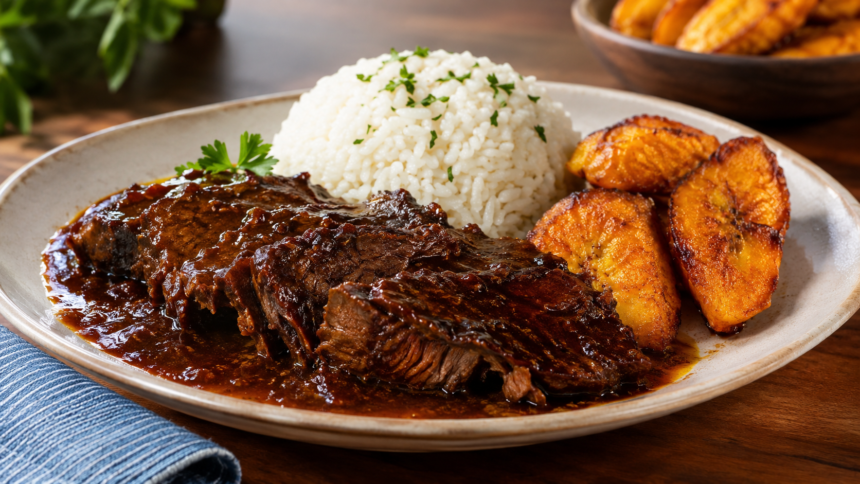
If you’ve been searching for the best asado negro near me, you’re probably craving something more memorable than an ordinary beef dinner. Tender slices of slow-cooked beef, covered in a rich, dark sauce with just the right balance of sweetness and savory flavor, make this Venezuelan specialty worth seeking out.
Asado negro is a beloved part of Venezuelan home cooking. It’s the kind of meal that brings people together for Sunday lunches, family celebrations, and special occasions. Today, you can also find it at Venezuelan restaurants, Latin American eateries, and specialty food businesses in different cities.
The challenge is knowing where to look and what makes a plate of asado negro genuinely good. This guide explains how to find authentic asado negro near you, what to expect when ordering, and how to choose a restaurant that prepares it with care.
What Is Asado Negro?
Asado negro is a traditional Venezuelan beef roast cooked slowly in a deeply colored, sweet-and-savory sauce. Its name translates to “black roast,” referring to the dark appearance created through caramelization and slow cooking.
The dish is commonly prepared using eye of round beef, known in Venezuela as muchacho redondo. The meat is seasoned with ingredients such as garlic, onions, peppers, and Worcestershire sauce before being browned and cooked until tender.
One of its defining ingredients is papelón, an unrefined cane sugar also called panela in other Latin American countries. When caramelized, it contributes the signature dark color and a gentle sweetness that balances the savory ingredients.
Red wine, tomatoes, herbs, and other seasonings may also be used. Recipes differ between families, but the goal is much the same: tender beef surrounded by a rich sauce that makes every bite satisfying.
Why Asado Negro Is Special
What separates asado negro from an ordinary roast is the attention given to its sauce. The meat isn’t simply browned and placed in the oven. Its flavor develops through marinating, caramelization, and patient cooking.
The resulting sauce should have a deep, slightly sweet flavor, supported by the savory notes of beef, aromatics, and spices. The sweetness should complement the meat rather than overpower it.
Asado negro also carries a strong connection to Venezuelan family traditions. Many families have their own version, passed down through generations. Some prefer a sweeter sauce, while others use more wine, tomatoes, or herbs.
That personal touch is one reason the dish tastes a little different from one kitchen to another. There isn’t just one way to prepare it well, and discovering those variations is part of its appeal.
How to Find the Best Asado Negro Near Me
Finding excellent asado negro starts with looking beyond ordinary steakhouse and barbecue listings. Although the name contains the word asado, this dish is different from the grilled meats typically associated with Argentine barbecue.
Start by searching “Venezuelan restaurant near me” or “asado negro Venezuelan food near me” on Google Maps. These searches can help narrow your options to restaurants that specialize in Venezuelan cooking.
Visit restaurant websites and check their menus for asado negro. You may find it listed under traditional dishes, house specialties, or Venezuelan classics. Some kitchens offer it regularly, while others prepare it only on selected days.
Customer photos can be especially helpful. Look for sliced beef covered with a dark, glossy sauce, usually accompanied by rice, plantains, or potatoes.
It’s also worth checking local Venezuelan community groups and food pages. People familiar with the dish can sometimes point you toward smaller family-run kitchens or catering businesses that don’t appear prominently in restaurant search results.
Before making the trip, call the restaurant to confirm that asado negro is available that day.
Restaurants Worth Knowing About
If you’re in an area with a strong Venezuelan food scene, finding asado negro may be easier than you expect. Some restaurants offer traditional home-style preparations, while others present modern interpretations.
Casa Ora in Brooklyn, New York, is one notable example. Located at 148 Meserole Street, this Venezuelan restaurant is recognized by the MICHELIN Guide. Its interpretation of asado negro features short rib braised for 48 hours with papelón, producing a rich, tender dish.
For diners in South Florida, Doggi’s Arepa Bar is another option worth checking. Its published menu includes asado negro among its Venezuelan classics, alongside familiar dishes such as pabellón criollo, arepas, and cachapas. Doggi’s operates multiple locations across Miami-Dade and Broward County.
These restaurants illustrate how asado negro can appear in both contemporary dining rooms and more casual Venezuelan eateries. However, menus and availability can change, so confirming the dish directly with a particular location is always sensible.
If neither restaurant is nearby, use them as examples of the types of Venezuelan kitchens to search for in your own city.
What Makes a Great Asado Negro?
A good asado negro should be tender enough to cut comfortably with a fork while still holding its shape when sliced. The beef shouldn’t feel excessively dry, chewy, or tough.
The sauce is equally important. It should have a deep brown to nearly black color, a smooth consistency, and a balanced flavor. A well-made sauce tastes rich and gently sweet without the unpleasant bitterness of burnt sugar.
Pay attention to how the restaurant prepares the meat. Traditional versions often use eye of round, although some modern kitchens use other cuts, including short rib, to create a different texture.
Freshness also matters. Asado negro takes time to prepare, but properly stored leftovers can reheat beautifully when warmed gently in their sauce. A restaurant that handles and reheats the dish carefully can still serve an excellent meal.
Finally, look at the overall plate. A generous coating of sauce and thoughtfully prepared sides often tell you more about the meal than decorative presentation.
The Secret Behind the Dark Sauce
The sauce is what gives asado negro its identity. Without it, the dish would be much closer to a conventional beef roast.
The process often begins with caramelizing papelón or sugar until it turns a deep brown. The beef is browned in or alongside this caramel, creating the characteristic dark exterior.
Aromatic ingredients are then added, followed by cooking liquid. Depending on the recipe, this may include red wine, beef stock, tomatoes, and reserved marinade.
As the beef cooks, the ingredients combine into a flavorful liquid. Once the meat becomes tender, the sauce may be strained, blended, or reduced until it reaches the desired thickness.
The trick is balancing the caramelization. Sugar that hasn’t darkened enough may leave the sauce pale and overly sweet, while sugar taken too far can produce bitterness.
A well-prepared asado negro delivers that lovely middle ground: dark, rich, savory, and gently sweet.
Best Side Dishes to Order
Asado negro is delicious on its own, but traditional sides help turn it into a complete Venezuelan meal.
White rice is one of the most common accompaniments. Its mild flavor balances the richness of the sauce and makes it easy to enjoy every spoonful.
Sweet fried plantains, known as tajadas, are another popular choice. Their soft texture and natural sweetness work particularly well with the beef’s savory flavors.
Mashed potatoes are an excellent alternative if you prefer a comforting, creamy side. The potatoes absorb the dark sauce, creating a satisfying combination.
Some restaurants may also offer black beans, arepas, or a fresh salad. A small arepa can be particularly enjoyable for scooping up the remaining sauce.
For a first order, asado negro with white rice and sweet plantains is a classic combination and a great way to experience the dish.
Dine-In or Delivery?
If you’re trying asado negro for the first time, dining in can be a good choice. The beef arrives freshly plated, and you can enjoy the sauce and sides at the temperature intended by the kitchen.
However, asado negro is also well suited to takeaway because it’s a braised dish that can retain its flavor when packaged and reheated properly.
For delivery, look for restaurants that package the beef with enough sauce to prevent it from drying out. Having rice or fried plantains in separate containers can help preserve their texture.
Check recent customer feedback about delivery quality, portion size, and packaging. A restaurant may prepare excellent food but struggle with longer delivery journeys.
If your order needs reheating, warm the beef gently with its sauce rather than using intense heat that could dry out the slices.
How Much Does Asado Negro Cost?
The price of asado negro depends on the restaurant, location, portion size, and cut of beef.
Casual Venezuelan restaurants generally offer a different dining experience from upscale establishments, where premium ingredients, elaborate preparation, and full table service can increase the price.
For an example, Doggi’s Arepa Bar has listed asado negro at $18.99 on its online menu. This is a published menu price, not a universal price for the dish, and it may change.
When comparing restaurants, consider what’s included. One plate might come with rice and plantains, while another may charge separately for side dishes.
A slightly higher price can be worthwhile if the restaurant offers tender beef, a generous portion, and a carefully prepared sauce. The best value isn’t necessarily the cheapest meal.
Questions to Ask Before Ordering
When you’ve found a promising Venezuelan restaurant, a few simple questions can help you decide whether to visit.
First, ask if the asado negro is prepared in-house and whether it’s available that day. Because the dish requires lengthy cooking, some restaurants offer it as a special rather than a permanent menu item.
Next, ask which cut of beef they use and whether the sauce is more sweet or savory. Neither preference is automatically better, but knowing the restaurant’s style can help you order confidently.
You can also check which sides are included and whether the dish contains wine or Worcestershire sauce. This is particularly useful for diners with dietary restrictions or ingredient concerns.
A helpful restaurant team should be able to explain how its version is prepared without making the ordering process complicated.
Can You Make Asado Negro at Home?
If your search for the best asado negro near me doesn’t bring up any suitable restaurants, preparing it at home is another option.
Traditional recipes usually begin with a whole beef roast marinated in garlic, seasonings, and other aromatic ingredients. The beef is browned, then cooked slowly in a sauce containing caramelized sugar, vegetables, and liquid.
Many recipes call for approximately two to four hours of gentle cooking, depending on the cut, size, and method. Some cooks also marinate the beef overnight to develop its flavor.
The most important part is patience. Allowing the meat to cook gently helps it become tender, while reducing the cooking liquid creates the familiar rich sauce.
Papelón gives the dish its distinctive sweetness, but dark brown sugar can be a practical substitute when Venezuelan ingredients are difficult to find.
Homemade asado negro can also be prepared ahead of time, making it a useful choice for family dinners and special gatherings.
Final Thoughts
Finding the best asado negro near you is about more than choosing the closest restaurant. It’s about discovering a kitchen that understands the flavor, texture, and tradition behind this classic Venezuelan dish.
Look for tender beef, a well-balanced dark sauce, authentic accompaniments, and a restaurant that takes pride in its preparation. Whether you order it at a family-run café or a contemporary Venezuelan restaurant, those details make a real difference.
If you’ve never tasted asado negro, start with the traditional combination of beef, rice, and sweet plantains. It’s a comforting introduction to one of Venezuela’s most distinctive dishes.
Frequently Asked Questions
1. What is the best place to find asado negro near me?
Venezuelan restaurants are usually the best place to begin your search. Check Google Maps, restaurant menus, and recent customer reviews. Family-run Venezuelan kitchens, Latin American specialty restaurants, and local caterers may also serve asado negro.
2. What does asado negro taste like?
Asado negro has a rich, savory beef flavor combined with a gentle caramel sweetness. Its dark sauce often includes papelón, garlic, onions, seasonings, and wine. The finished dish should taste balanced rather than excessively sweet or bitter.
3. Is asado negro spicy?
Traditional asado negro is generally not a spicy dish. It focuses on caramelized sweetness, savory seasonings, and aromatic ingredients. Some restaurants may add peppers or adjust their recipes, so ask if you’re sensitive to spicy food.
4. What kind of meat is used for asado negro?
The traditional cut is often eye of round beef, known as muchacho redondo in Venezuela. Some restaurants and home cooks use other cuts, such as chuck roast or short rib, depending on the texture and style they want.
5. Is asado negro the same as regular roast beef?
No. Although both dishes involve cooking beef, asado negro is distinguished by its dark caramelized sauce and Venezuelan seasonings. The sauce is a central part of the dish rather than simply an accompaniment.
6. What should I eat with asado negro?
White rice and sweet fried plantains are traditional choices. Mashed potatoes, arepas, black beans, and fresh salads can also work well, depending on the restaurant’s menu.
7. Can I order asado negro for delivery?
Yes, if a restaurant in your delivery area offers it. Check its online menu or delivery platform, confirm availability, and look at recent reviews. Choose a restaurant that packages the beef with enough sauce to keep it moist.
8. Does asado negro contain alcohol?
Many traditional recipes include red wine, although ingredients vary between kitchens. Cooking reduces alcohol content but does not reliably eliminate all of it. If you avoid alcohol, ask the restaurant about its recipe before ordering.
9. Is asado negro gluten-free?
The basic beef and vegetable ingredients may be gluten-free, but some versions use Worcestershire sauce, bouillon, or other packaged seasonings that require checking. Anyone avoiding gluten should confirm the ingredients and cross-contact practices with the restaurant.
10. Can asado negro be prepared without wine?
Yes. Home cooks can use beef stock and adjust the seasonings to create a wine-free version. The flavor may differ from recipes that include red wine, but the caramelized sauce can still be delicious.
11. Is asado negro served every day at Venezuelan restaurants?
Not necessarily. Some restaurants feature it regularly, while others prepare it for weekends, holidays, or special menus. Calling ahead is the simplest way to avoid a disappointing visit.
12. Why is asado negro so dark?
The distinctive color mainly comes from caramelized papelón or sugar, combined with browning the beef and reducing the cooking sauce. The dark appearance is intentional and should not mean the dish tastes burnt.