

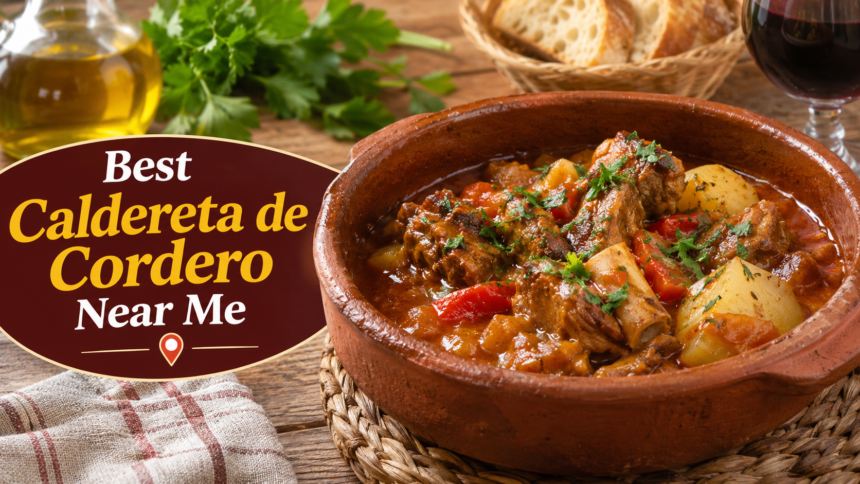
There is something special about a bowl of tender lamb simmered slowly with fresh vegetables, olive oil, garlic, and traditional Spanish spices. The rich aroma, comforting warmth, and deep flavor make caldereta de cordero one of Spain’s most satisfying traditional dishes.
If you have been searching for the best caldereta de cordero near me, you probably want more than an ordinary lamb stew. You want something authentic, freshly prepared, and full of the flavors that make Spanish home cooking memorable.
Finding a restaurant that serves this traditional dish can take a little effort, especially outside Spain. However, knowing what to look for, which restaurants to explore, and how the stew should taste can make your search much easier.
This guide explains everything you need to know about finding delicious caldereta de cordero, understanding its regional varieties, and choosing a restaurant worth visiting.
What Is Caldereta de Cordero?
Caldereta de cordero is a traditional Spanish lamb stew prepared by slowly cooking pieces of lamb with vegetables, herbs, olive oil, and flavorful seasonings.
The dish is particularly associated with Extremadura, although versions are also prepared in Castilla-La Mancha and Castilla y León.
Unlike many everyday stews, caldereta de cordero develops its distinctive character from the combination of lamb, garlic, paprika, wine, and slow cooking. The ingredients blend into a rich sauce while the meat becomes tender.
Traditionally, this dish was closely connected with shepherds and rural communities. It offered a practical way to prepare a filling meal using locally available ingredients.
Today, caldereta de cordero remains an important part of Spanish regional cooking, enjoyed at family gatherings, traditional celebrations, and restaurants specializing in local cuisine.
Where to Find the Best Caldereta de Cordero Near Me
Finding authentic caldereta de cordero starts with looking in the right places. Although it may not appear on every Spanish restaurant menu, certain types of establishments are more likely to serve it.
Traditional Spanish restaurants are a good starting point, particularly those that specialize in regional cooking rather than only tapas and popular tourist dishes.
Restaurants featuring Extremaduran or Castilian cuisine may offer caldereta de cordero as a regular main course or an occasional special.
Google Maps can also help you discover nearby options. Search for “caldereta de cordero,” “Spanish lamb stew,” or “caldereta extremeña” alongside your city or neighborhood.
Pay attention to customer photographs, recent reviews, and menu descriptions. A restaurant might advertise traditional lamb stew without using the Spanish name.
Before traveling, contact the restaurant to confirm availability. Some kitchens prepare this dish only on selected days or for special events.
What Makes a Great Caldereta de Cordero?
Not every lamb stew delivers the same experience. A well-prepared caldereta de cordero depends on ingredient quality, careful seasoning, and enough cooking time.
Tender lamb is the most important element. The meat should be soft enough to separate easily with a fork while still maintaining its natural texture.
The sauce is equally important. It should have a rich, savory flavor with a pleasant balance of garlic, paprika, herbs, and lamb juices.
A properly prepared sauce usually coats the meat rather than resembling a thin, watery broth. However, some regional and family versions are intentionally more liquid.
Good caldereta also has a natural homemade character. The vegetables should contribute sweetness and depth without overwhelming the flavor of the lamb.
A restaurant that takes pride in traditional preparation will usually pay attention to these details rather than relying on excessive seasoning or heavy sauces.
Traditional Ingredients
One reason caldereta de cordero is so popular is its use of relatively simple ingredients.
The preparation varies between regions, but traditional recipes commonly include:
- Lamb: The main ingredient, often cut into pieces suitable for slow cooking.
- Olive oil: Used to brown the meat and soften the vegetables.
- Garlic and onions: Essential for developing a fragrant, savory base.
- Red peppers: Add natural sweetness and depth.
- Spanish paprika: Provides warmth, color, and a characteristic Spanish flavor.
- White or red wine: Used in many recipes to enhance the sauce.
- Bay leaves, thyme, and oregano: Add gentle herbal aromas.
- Meat stock or water: Helps the lamb cook slowly and remain moist.
- Salt and pepper: Balance the flavors.
Some traditional recipes also include lamb liver, bread, or almonds. These ingredients can be crushed into a mixture called a majado, which helps thicken the sauce and give it a deeper flavor.
Not every restaurant uses the same ingredients. This flexibility is part of what makes caldereta de cordero such an interesting regional dish.
Regional Variations in Spain
Caldereta de cordero has several regional interpretations, each reflecting local ingredients and cooking traditions.
Extremaduran caldereta is among the best-known versions. It commonly features lamb, garlic, peppers, paprika, and wine. Some traditional preparations use lamb liver and a crushed seasoning mixture to enrich the sauce.
In Castilla-La Mancha, caldereta manchega can be prepared with lamb, garlic, wine, and simple seasonings. Certain recipes also include tomatoes, onions, or nutmeg, giving the dish a slightly different character.
Castilla y León has its own variations, often combining lamb with onions, peppers, aromatic herbs, and wine.
These differences do not mean that one version is automatically better than another. A good caldereta respects its regional style while allowing the natural flavor of the lamb to remain central.
When visiting a Spanish restaurant, asking which regional recipe the kitchen follows can reveal a lot about its cooking approach.
How to Choose the Right Restaurant
When searching online for the best caldereta de cordero near me, restaurant ratings can be helpful, but they should not be your only consideration.
Start by checking whether the restaurant specializes in Spanish food. Establishments with a focus on traditional regional dishes may be more familiar with the preparation techniques required for caldereta.
Next, examine the menu carefully.
A description mentioning slow-cooked lamb, paprika, garlic, wine, and traditional Spanish herbs may indicate a dish close to authentic caldereta de cordero.
Customer reviews are particularly useful when they mention the dish itself. Look for comments about meat tenderness, sauce quality, serving temperature, and portion size.
Recent food photographs can offer additional clues. They can show whether the stew is served with a rich sauce and whether portions appear suitable for the price.
It is also worth checking whether the kitchen prepares the stew in-house. Slow cooking requires attention, and freshly prepared food can make a noticeable difference.
Finally, consider the overall dining experience. Friendly service, clear menu information, and consistent food quality all contribute to a meal worth recommending.
What Does Caldereta de Cordero Taste Like?
Caldereta de cordero has a deep, savory flavor that comes primarily from the lamb and its slow-cooked sauce.
The meat provides a distinctive richness, while the onions and peppers add a gentle sweetness. Garlic contributes an aromatic base, and paprika introduces a warm, slightly earthy taste.
Herbs such as thyme and oregano give the stew another layer of flavor without making it overly complicated.
Depending on the recipe, wine may add a subtle tang and greater depth to the sauce.
A good caldereta should taste balanced rather than excessively spicy or salty. The different ingredients should complement the lamb instead of hiding it.
The texture is just as appealing as the flavor. Tender pieces of meat surrounded by a savory sauce make this a particularly comforting meal during cooler weather.
Best Side Dishes to Order
Caldereta de cordero is substantial enough to serve as a main course, but the right accompaniment can make it even more enjoyable.
Crusty bread is one of the simplest choices. It works particularly well with the rich sauce, allowing you to enjoy every last spoonful.
Roasted or fried potatoes are another excellent option. Their mild flavor balances the seasoning of the lamb and makes the meal more filling.
Some regional preparations are served with potatoes as part of the dish itself.
A fresh green salad can provide contrast, especially when the stew has a particularly rich sauce.
For drinks, water or sparkling water can keep the meal refreshing. Those who enjoy wine may prefer a full-bodied Spanish red, although personal taste matters more than any strict pairing rule.
How Much Does Caldereta de Cordero Cost?
The price of caldereta de cordero depends on where you eat, the quality and cut of lamb, the portion size, and the restaurant’s style.
A small family-run restaurant may price the dish differently from an upscale Spanish dining establishment.
In some restaurants, caldereta is offered as an individual main course. Elsewhere, it may appear as a sharing dish or a special menu item.
Because prices vary by location, there is no reliable universal price for the best caldereta de cordero near you.
Compare the total value rather than choosing the cheapest option. Consider how much lamb is included, whether sides come with the meal, and what recent customers say about the quality.
A generous serving of carefully cooked lamb with a flavorful homemade sauce can offer better value than a larger portion that lacks tenderness or seasoning.
Can You Order It for Takeaway?
Some Spanish restaurants offer caldereta de cordero for takeaway, although availability depends on the establishment.
Lamb stew can travel relatively well because the sauce helps retain moisture. However, correct packaging and prompt handling are important.
When ordering, ask whether the dish is prepared fresh, how it will be packaged, and whether bread or potatoes are included separately.
If you plan to eat later, follow the restaurant’s storage and reheating instructions.
A properly reheated caldereta can still be enjoyable, particularly when warmed gently to prevent the meat from drying out.
For the best experience, however, dining at the restaurant allows you to enjoy the stew at its intended serving temperature.
Can You Make Caldereta de Cordero at Home?
If nearby restaurants do not serve this traditional dish, preparing it at home is a worthwhile alternative.
You do not need complicated cooking equipment. A sturdy, heavy-bottomed pot or casserole dish is usually enough.
Begin by seasoning and browning pieces of lamb in olive oil. Remove the meat temporarily, then soften chopped onions, garlic, and red peppers in the same pot.
Add paprika carefully so it releases its flavor without burning. Return the lamb, add herbs, wine if using, and enough stock or water to support slow cooking.
Allow the stew to simmer gently until the lamb becomes tender and the sauce develops a rich consistency.
Cooking time depends on the cut and size of the lamb pieces. Some traditional recipes use approximately 45 minutes of simmering, while tougher cuts may need significantly longer.
For a more traditional Extremaduran preparation, a mixture of crushed garlic, bread, almonds, or cooked liver can be added to enrich the sauce.
The important thing is not to rush the cooking process. Gentle heat and patience help create the tender meat and flavorful sauce that define a good caldereta.
Tips Before Ordering
A few simple checks can improve your chances of finding a satisfying meal.
First, confirm that the restaurant serves genuine caldereta de cordero rather than another lamb dish with a similar description.
Ask whether the stew follows an Extremaduran, Manchegan, or another regional recipe if that matters to you.
Check the serving size, particularly if you plan to share the dish.
If you have dietary restrictions, ask about the ingredients. Some versions contain bread or flour, while others use wine, nuts, or lamb liver.
Also, confirm whether the stew is available that day. Traditional dishes sometimes require advance preparation and may sell out.
Taking a few minutes to ask these questions can help you avoid disappointment and find a restaurant that suits your preferences.
Why This Spanish Dish Is Worth Trying
Caldereta de cordero represents a style of cooking that values patience, practical ingredients, and regional tradition.
Its appeal does not depend on elaborate presentation. Instead, it comes from the way familiar ingredients develop deep flavor during slow cooking.
For lamb lovers, it offers something different from grilled chops or roasted meat. The stew combines tenderness, aromatic vegetables, and a satisfying sauce in one dish.
It is also a wonderful introduction to regional Spanish cuisine beyond familiar foods such as paella, tortilla española, and tapas.
Whether you discover it at a traditional restaurant or prepare it in your own kitchen, caldereta de cordero offers a taste of Spain’s rich culinary heritage.
FAQs
1. Where can I find the best caldereta de cordero near me?
You can start by searching Google Maps for caldereta de cordero, traditional Spanish restaurants, or Extremaduran cuisine in your area. Check recent reviews and online menus, then contact the restaurant to confirm that the dish is available.
2. What is caldereta de cordero made of?
Caldereta de cordero is traditionally made with lamb, olive oil, garlic, onions, peppers, herbs, and seasonings such as paprika. Many recipes also use wine and stock. Some regional variations include bread, almonds, tomatoes, or lamb liver.
3. Is caldereta de cordero spicy?
Most traditional versions are flavorful rather than intensely spicy. Sweet paprika, garlic, and herbs provide much of the seasoning, although some recipes include hot paprika or chili peppers. You can ask the restaurant about the heat level before ordering.
4. Is caldereta de cordero the same as regular lamb stew?
Caldereta de cordero is a type of lamb stew, but it has a distinct Spanish culinary identity. Its use of ingredients such as olive oil, paprika, wine, and regional herbs gives it a characteristic flavor that may differ from lamb stews prepared in other countries.
5. Which part of Spain is famous for caldereta de cordero?
Extremadura is particularly well known for caldereta de cordero. Traditional variations are also found in Castilla-La Mancha and Castilla y León, where recipes reflect local cooking customs and available ingredients.
6. How long does caldereta de cordero take to cook?
Cooking time varies according to the recipe and cut of meat. Some traditional preparations simmer for around 45 minutes after the ingredients are combined, while others require one and a half to two hours or longer. The lamb should be properly cooked and tender before serving.
7. What is the best side dish for caldereta de cordero?
Crusty bread, roasted potatoes, and fried potatoes are excellent accompaniments. Bread is especially useful for enjoying the sauce, while a fresh salad provides a lighter contrast to the rich lamb.
8. Can I find caldereta de cordero outside Spain?
Yes, although availability varies considerably. Some Spanish restaurants outside Spain serve traditional regional dishes, and caldereta may appear as a seasonal special. Searching for both its Spanish name and “Spanish lamb stew” can help you find more options.
9. Is caldereta de cordero gluten-free?
Not always. Lamb, vegetables, and herbs are naturally gluten-free, but some traditional recipes use bread or flour to thicken the sauce. If you have celiac disease or gluten sensitivity, confirm all ingredients and cross-contact precautions with the restaurant.
10. Can caldereta de cordero be prepared without wine?
Yes. Although wine is common in many traditional recipes, homemade versions can use additional stock or water instead. At a restaurant, ask about the recipe if you need to avoid alcohol, since a wine-based stew may retain some alcohol after cooking.
Final Thoughts
Finding the best caldereta de cordero near me is about more than choosing the closest Spanish restaurant. It means finding a kitchen that understands traditional ingredients, slow cooking, and the importance of properly prepared lamb.
Look for restaurants specializing in regional Spanish cuisine, read recent customer reviews, and check menus before making your choice.
A memorable caldereta de cordero should offer tender lamb, a rich and balanced sauce, and the comforting flavor of traditional Spanish cooking.
Whether you enjoy it at a neighborhood restaurant, discover it during a visit to Spain, or make it at home, this classic lamb stew is well worth exploring.